
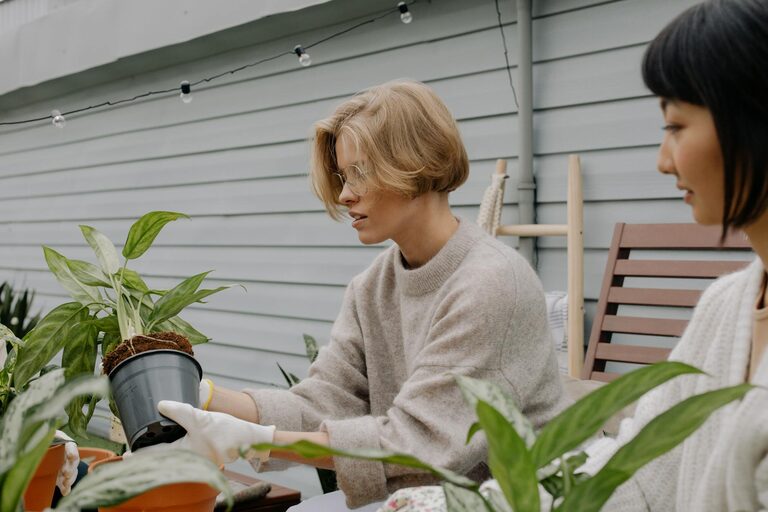
Creating a sustainable home garden all year round is not only rewarding but also helps reduce your environmental impact. Whether you have a small urban space or a larger garden, adopting sustainable practices can lead to healthier plants, richer soil, and more productive growth through every season. This guide offers practical tips to keep your garden thriving sustainably throughout the year.
Understanding Sustainability in Gardening
Sustainability in gardening means managing your garden in a way that supports the environment, conserves resources, and promotes biodiversity. Instead of relying heavily on chemical fertilisers, pesticides, or excessive water, sustainable gardening embraces natural methods to maintain a healthy ecosystem.
Planning Your Garden for Year-Round Success
Choose the Right Plants
Selecting plants that are well-suited to your local climate and soil conditions is essential for sustainable gardening. Native plants, for example, usually require less water and are more resistant to local pests. Consider a mix of perennials, annuals, herbs, and vegetables that thrive in different seasons to ensure continuous growth and harvest.
Use Crop Rotation and Companion Planting
Crop rotation helps prevent soil depletion by alternating plant families in the same area each year. This reduces the need for chemical inputs and lowers disease risk. Companion planting involves growing plants together that benefit each other, such as basil with tomatoes to repel insects, promoting a natural balance.
Building Healthy Soil Naturally
Add Organic Matter
Compost, well-rotted manure, and leaf mould enrich your soil by adding nutrients and improving its structure. Creating a compost heap from kitchen scraps and garden waste reduces landfill rubbish and produces free, nutrient-rich soil conditioner.
Mulching
Applying a layer of organic mulch around plants helps retain moisture, regulate soil temperature, and suppress weeds. Mulch also breaks down over time, further feeding the soil.
Avoid Soil Compaction
Try to minimise walking on planting beds to keep the soil loose and aerated. Compacted soil restricts root growth and reduces water infiltration.
Water Conservation Tips
Collect Rainwater
Installing rain barrels allows you to collect and store rainwater for garden use. This reduces reliance on mains water and is especially useful during dry spells.
Water Wisely
Water early in the morning or late in the evening to minimise evaporation. Use drip irrigation or watering cans to target the roots without wasting water. Group plants with similar water needs together to make watering more efficient.
Encouraging Wildlife and Biodiversity
A sustainable garden is not just about plants – it also supports local wildlife.
Create Habitats
Install bird feeders, bat boxes, and insect hotels to encourage beneficial creatures. Ladybirds and bees can help with natural pest control and pollination.
Plant Pollinator-Friendly Flowers
Incorporate native flowering plants that attract bees, butterflies, and other pollinators. Avoid pesticides that can harm these important insects.
Seasonal Care for a Year-Round Garden
Spring
– Prepare soil by adding compost.
– Start sowing seeds indoors or under cover.
– Prune winter-damaged plants carefully.
Summer
– Mulch to conserve moisture.
– Harvest regularly to encourage more production.
– Watch for pests and use organic control methods if needed.
Autumn
– Plant bulbs for spring blooms.
– Clear fallen leaves and add to the compost pile.
– Mulch perennials to protect roots over winter.
Winter
– Plan next year’s planting.
– Protect vulnerable plants with fleece or cloches.
– Maintain tools and prepare seed trays indoors.
Reducing Waste in Your Garden
Reuse and Recycle
Old containers, pallets, and garden debris can often be repurposed. For instance, wooden crates can become planters, and broken pots can be used as drainage at the bottom of containers.
Avoid Single-Use Plastics
Choose biodegradable or reusable garden supplies where possible. This reduces plastic waste and is better for the environment.
Final Thoughts
Creating a sustainable home garden all year round is about working with nature, not against it. By planning carefully, improving soil health, conserving water, and promoting biodiversity, you not only create a beautiful garden but also contribute positively to the environment. Start small, observe how your garden responds, and enjoy the process of growing your green oasis sustainably throughout every season.