
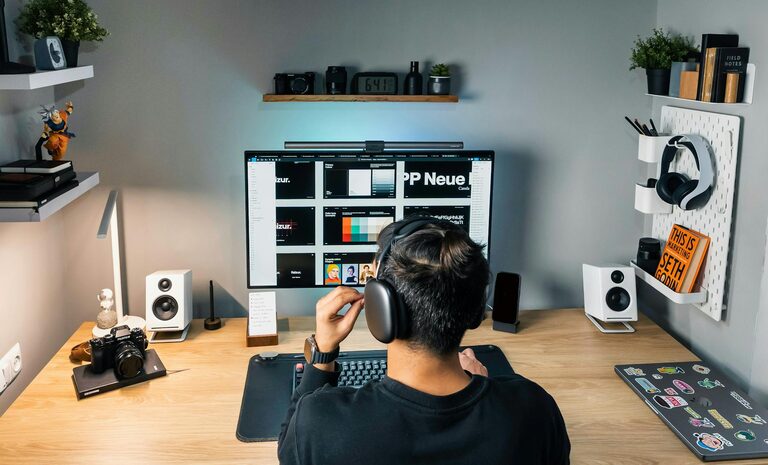
Creating a productive home office environment is essential for anyone working remotely or spending extended hours at home. A well-designed workspace not only improves focus but also helps maintain a healthy work-life balance. The good news is that setting up an effective home office doesn’t require a large budget or a specialised room. With a few simple strategies, you can turn any space into a comfortable and efficient work area.
Choose the Right Location
Consider natural light and quietness
Choosing the best spot for your home office is the first step. Natural light can uplift your mood and reduce eye strain, so try to place your desk near a window. At the same time, consider noise levels—select a quiet corner away from distractions like the television or busy household areas.
Space and ventilation
Make sure the area has enough space to accommodate your desk, chair, and any other equipment you need. Good ventilation is also important for comfort and alertness, so airflow and temperature control should be part of your planning.
Invest in Comfortable and Ergonomic Furniture
Supportive chair and desk
A comfortable chair that supports good posture is vital. Look for one with adjustable height and lumbar support. Similarly, your desk should be at a height that allows your elbows to rest at about 90 degrees when typing.
Keep ergonomic principles in mind
Position your computer screen at eye level and approximately an arm’s length away to prevent neck and eye strain. Keyboard and mouse placement should allow your wrists to remain straight.
Organise and Declutter Your Space
Use storage solutions
A clutter-free space helps clear your mind and keeps you focused. Use shelves, filing cabinets, or storage boxes to organise paperwork and office supplies neatly.
Minimalist approach
Keep only the essentials on your desk. Avoid piling up items which can distract you or make the space feel cramped. Regularly review and tidy your workspace.
Set Up Effective Lighting
Combine natural and artificial lighting
While natural light is ideal during daytime, add adjustable artificial lighting for early mornings or evenings. A desk lamp with a warm but bright light can reduce eye fatigue.
Avoid glare and shadows
Position lights and screens carefully to minimise glare or harsh shadows on your work area. This helps maintain visual comfort throughout the day.
Create Boundaries and a Routine
Separate work and home life
Define your workspace clearly to signal when it’s time to focus. If possible, use a room with a door or a specific corner that you associate with work.
Stick to regular hours
Set a schedule for your working hours, including breaks, and communicate this routine to household members. Consistency will improve productivity and make it easier to switch off after work.
Personalise Your Workspace
Add motivational elements
Include a few personal touches that inspire and motivate you, such as artwork, plants, or photos. A plant, for example, not only brightens the room but also improves air quality.
Avoid distractions
While personalising is good, keep it balanced to avoid distractions. Avoid clutter or items that make it too tempting to procrastinate, like game consoles or non-work-related devices.
Leverage Technology for Productivity
Reliable internet and devices
Ensure you have a strong and stable internet connection, as well as reliable hardware such as a good computer, headphones, and any peripherals required for your work.
Use productivity tools
Consider apps for time management, project organisation, and communication to stay on track and collaborate effectively with colleagues.
Prioritise Health and Wellbeing
Take regular breaks
Incorporate short breaks into your day to stretch, move around, and rest your eyes. This helps maintain focus and reduces physical strain.
Stay hydrated and practice good habits
Keep water nearby and aim to drink regularly. Adjust lighting and seating throughout the day as needed. Also, try to finish work at a reasonable hour to allow proper downtime.
Final Thoughts
Creating a productive home office is about making your space work for you. By thoughtfully choosing your location, organising your furniture and lighting, setting boundaries, and attending to your wellbeing, you can build an environment that supports focus and comfort. Whether you have a dedicated room or a small corner, small changes can make a big difference in your daily productivity and enjoyment at work.