
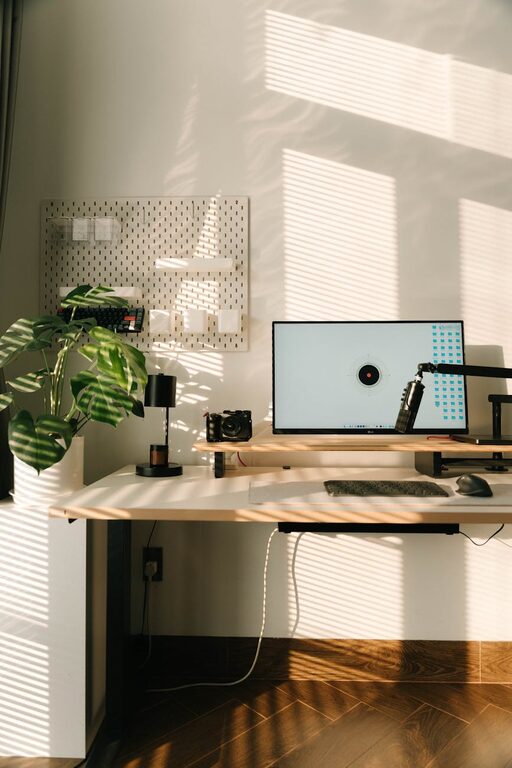
Working from home has become a norm for many, making it essential to cultivate a home office environment that supports both productivity and calm. Striking the right balance between focus and relaxation can help you get more done while maintaining wellbeing. Here, we share practical tips to create a home office space tailored to your needs.
Choose the Right Location
Find a Quiet Spot
Select a space away from common distractions such as television, loud areas, or busy rooms. A quiet environment helps you concentrate and reduces interruptions.
Natural Light Is Key
Wherever possible, position your desk near a window. Natural light not only brightens up the room but can boost your mood and energy levels throughout the day.
Consider Your Commute
Even within your home, create a mental boundary between ‘work’ and ‘home’ by having a separate space for your office. This helps you switch roles easily and maintain a work-life balance.
Invest in Comfortable and Functional Furniture
Ergonomic Chair and Desk
Comfort is crucial if you spend long hours at your desk. Choose an adjustable chair with lumbar support and a desk at the right height to reduce strain.
Desk Organisation
Keep your workspace clean and organised. Use drawers, shelves, or desk organisers to store stationery, files, and electronics neatly.
Add a Standing Option
Consider a sit-stand desk or a desktop converter. Alternating between sitting and standing can improve circulation and reduce fatigue.
Enhance Lighting and Ambience
Balance Task and Ambient Lighting
In addition to natural light, use a good desk lamp with adjustable brightness to avoid eye strain. Soft ambient lighting can create a calming atmosphere.
Choose Soothing Colours
Colours affect mood; subtle shades like soft blues, greens, or neutrals can create a peaceful environment that encourages focus.
Control Noise Levels
Use noise-cancelling headphones, white noise machines, or soft background music to mask distracting sounds if needed.
Personalise Your Space Wisely
Add Plants
Indoor plants not only brighten your workspace but also improve air quality and reduce stress.
Display Inspiring Items
Surround yourself with a few motivating objects such as photos, artwork, or quotes — just avoid clutter.
Keep It Minimal
A minimalist approach prevents feeling overwhelmed and helps maintain mental clarity.
Establish a Routine and Boundaries
Set Specific Work Hours
Define your working times to maintain structure and avoid burnout.
Take Regular Breaks
Use techniques like the Pomodoro method—working for 25 minutes and then taking a 5-minute break—to stay refreshed.
Separate Work and Leisure
Avoid checking work emails or tasks outside your set office hours to protect personal time.
Improve Technology and Tools
Reliable Internet and Equipment
Ensure you have a stable internet connection, a quality computer, and necessary software to work efficiently.
Cable Management
Keep cables organised with clips or sleeves to prevent tangling and maintain a tidy workspace.
Backup and Security
Regularly back up your work and use security software to protect data integrity and privacy.
Keep Health and Wellbeing in Mind
Stay Hydrated and Nourished
Keep water and healthy snacks nearby to maintain energy levels.
Incorporate Movement
Stretch, walk around, or perform light exercises during breaks to reduce stiffness.
Maintain Good Posture
Be mindful of your sitting position and posture to avoid long-term health issues.
—
Creating a home office environment that encourages both productivity and relaxation doesn’t require a complete overhaul. Small changes to layout, lighting, furniture, and habits can significantly improve your workday experience. By tailoring your workspace to your personal preferences and needs, you’ll find it easier to focus, remain motivated and enjoy your time spent working from home.