
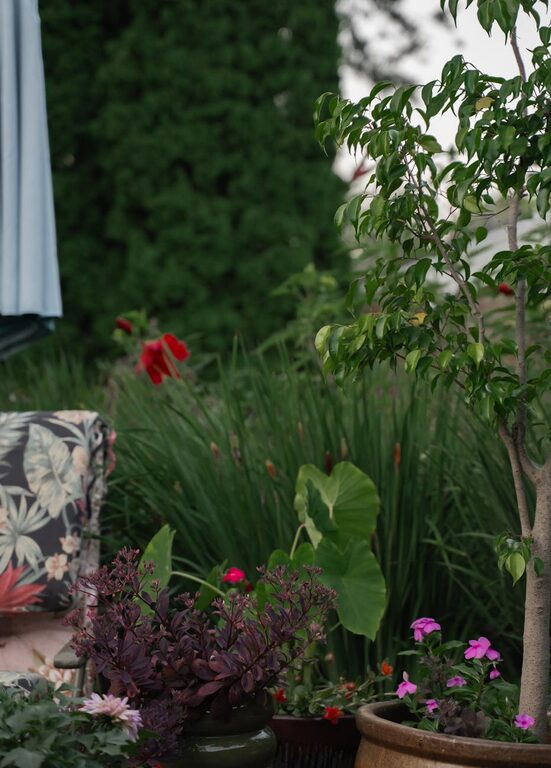
Creating a relaxing garden space at home is a wonderful way to enjoy the outdoors and bring a sense of calm to your daily life. Whether you have a large backyard or a small balcony, designing a peaceful garden retreat can provide a welcome escape from the stresses of everyday life. Here are some helpful tips to guide you in creating your own tranquil outdoor haven.
Choose the Right Location
Selecting the perfect spot for your garden relaxation area is the first step. Look for a quiet corner that receives the type of sunlight you enjoy, whether it’s full sun, partial shade, or full shade. Consider proximity to your home for easy access, but also ensure it is private enough to feel peaceful. If privacy is limited, you might add a screen, fence, or dense planting to create a secluded feel.
Plan with Comfort in Mind
Comfort is key to a relaxing garden space. Think about how you want to use the area; whether it’s for reading, meditating, dining, or simply enjoying the view. Choose seating that is both comfortable and weather-appropriate: cushioned chairs, hammocks, benches, or even a swing seat can work well.
Seating Suggestions
– Garden benches: Solid and classic, perfect for contemplative moments.
– Hammocks: Great for gentle rocking and naps.
– Outdoor cushions and poufs: Add softness and flexibility.
– Dining sets: Ideal for enjoying meals in the fresh air.
Adding a small table can also be useful for drinks, books, or gardening tools.
Incorporate Soothing Elements
Certain features can enhance the peaceful atmosphere of your garden space. Consider these ideas:
Water Features
The gentle sound of water is naturally calming. Even a small fountain or birdbath can make a big difference.
Plants and Greenery
Choose plants that appeal to you and suit your climate. Fragrant flowers like lavender, jasmine, or rosemary can provide pleasant scents. Greenery such as ferns, hostas, or ornamental grasses add texture and colour without overwhelming the senses.
Natural Materials
Use materials such as wood, stone, or rattan for furniture and décor to maintain a natural, grounded feeling.
Add Personal Touches
Make the garden space your own by including elements that bring you joy and comfort:
– Garden art: Sculptures, wind chimes, or decorative pots.
– Lighting: Soft solar lights, fairy lights, or lanterns create a cosy ambience in the evenings.
– Textiles: Weather-resistant cushions, throws, and rugs add warmth and colour.
Keep It Low Maintenance
A relaxing garden should feel like a sanctuary, not a chore. Choose plants that suit your gardening skills and the local climate to reduce upkeep. Using mulch helps retain moisture and suppress weeds. Automatic watering systems or self-watering pots can save you time and effort.
Encourage Wildlife
Inviting birds, bees, and butterflies can add life and movement to your garden and further enhance the tranquil mood. Plant native flowers and provide water sources or feeders to attract these helpful visitors.
Create Zones for Different Activities
If your garden space allows, consider creating separate zones for various purposes:
– Quiet zone: A secluded nook for reading or meditation.
– Social zone: A seating area for gathering with family or friends.
– Sensory zone: An area with fragrant plants or textured surfaces to engage the senses.
This approach gives structure and variety, helping your garden feel more interesting and purposeful.
Maintain and Refresh Regularly
Even a low-maintenance garden needs occasional attention. Regularly prune plants, sweep paths, and replace any worn furniture or decorations. Changing plants seasonally can keep your garden looking fresh and inviting throughout the year.
—
Creating a relaxing garden space at home is all about adapting the space to your lifestyle and preferences. With thoughtful planning and a few simple additions, you can enjoy a peaceful outdoor retreat that refreshes your mind and body every time you step outside. Happy gardening!