
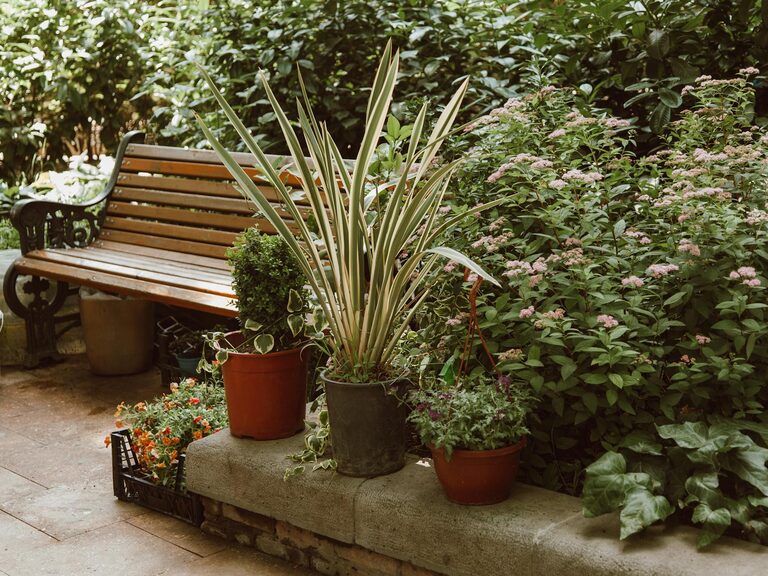
Creating a relaxing garden space at home can provide a perfect sanctuary away from the busyness of daily life. Whether you have a small balcony, a modest backyard, or a sprawling garden, with some thoughtful planning and effort, you can design an outdoor area that invites calm and comfort. This post explores simple and effective tips to help you cultivate a peaceful garden retreat.
Why Create a Relaxing Garden Space?
Gardens have long been valued as places of tranquillity. Spending time outdoors surrounded by plants can help reduce stress, improve mood, and encourage mindfulness. A garden that feels relaxing welcomes you to pause, breathe, and enjoy natural beauty throughout the year.
Planning Your Garden Retreat
Before you start, consider what “relaxing” means for you. Think about how you want to use your garden — reading, meditating, socialising, or simply enjoying nature. Knowing your purpose will guide your design choices.
Assess Your Space
– Measure the area available.
– Observe sun patterns to find shady and sunny spots.
– Take note of prevailing winds and privacy needs.
Set a Budget
Decide how much you want to invest. Relaxing gardens can be created on any budget, from simple changes to more elaborate projects.
Choosing the Right Plants
Plants form the heart of any garden. For relaxation, aim to create a mix of colours, textures, and scents.
Opt for Low-Maintenance Plants
Select hardy plants that suit your climate and require minimal care. This reduces stress associated with garden upkeep.
Include Aromatic Plants
Lavender, rosemary, mint, and jasmine can stimulate your senses and enhance relaxation.
Use Plants That Attract Wildlife
Birds, butterflies, and bees add liveliness and encourage a connection with nature.
Creating Comfortable Seating Areas
Your garden needs comfortable spots where you can sit and unwind.
Choose Suitable Furniture
– Weatherproof seating such as benches, hammocks, or cushioned chairs.
– Consider modular options for flexibility.
Positioning
Place seating in areas with good views, shade, or shelter from wind.
Add Soft Textiles
Throw cushions and blankets can make your outdoor seating more inviting.
Incorporating Water Features
The sound of water has a calming effect.
– Small fountains, birdbaths, or ponds add a soothing backdrop.
– Moving water also attracts wildlife.
Ensure water features are safe and well-maintained to avoid issues like stagnation.
Use Lighting Thoughtfully
Soft lighting extends your garden enjoyment into the evening.
– Use solar or LED garden lights along paths.
– Fairy lights or lanterns create a cosy atmosphere.
Avoid harsh lighting that disrupts the peace of your outdoor space.
Introduce Natural Elements
In addition to plants, adding elements like stones, wooden structures, and sculptures can enhance your garden’s character.
– Stone paths or a gravel area offer texture.
– A wooden pergola or trellis can provide shade and support climbing plants.
Keep the Garden Tidy but Natural
Regular maintenance keeps your garden inviting, but don’t aim for perfection.
– Allow some wildflower patches or natural growth for a relaxed feel.
– Avoid chemicals to maintain a friendly environment for wildlife.
Personal Touches
Adding items that reflect your personality can make your garden uniquely relaxing.
– Outdoor art, wind chimes, or garden ornaments.
– A book nook or small herb garden for practical enjoyment.
Practical Tips for Ongoing Relaxation
– Dedicate time regularly to sit and enjoy your garden.
– Avoid clutter and keep paths clear for easy movement.
– Rotate plants seasonally for variety.
Conclusion
Transforming your garden into a relaxing space is about more than appearance; it’s about creating an environment that supports your well-being. By planning carefully, choosing suitable plants, and adding comfortable and natural elements, you can craft a peaceful retreat right at home. Start small, enjoy the process, and watch your garden become a rewarding haven for relaxation and joy.